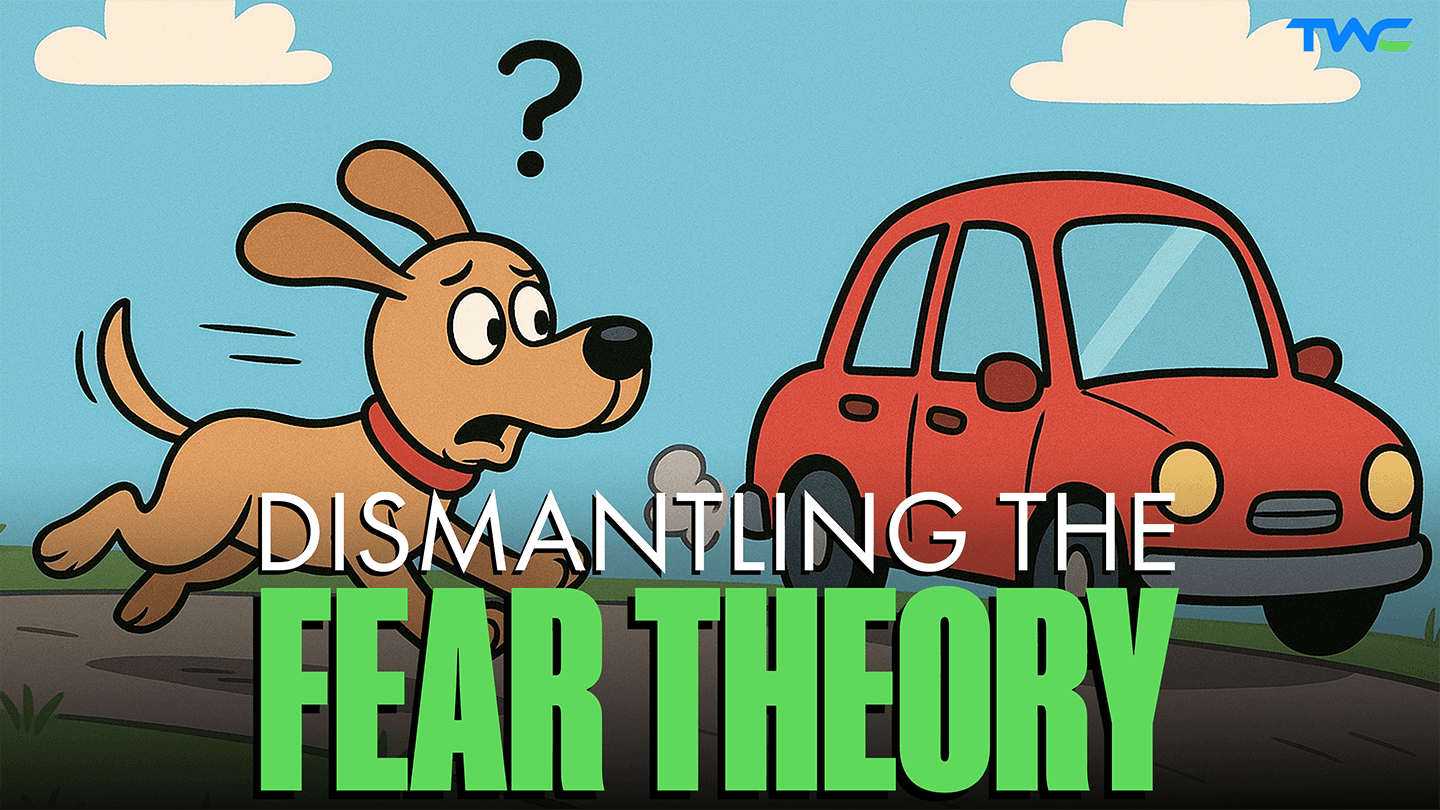
Can we stop using word salad to sound smart? “Leash reactivity.” Half the time some trainers don't even know what they mean. Today we are tackling a term that has become a running joke in dog training. If you are tired of vague labels, stick with me and let's dive in.
“Leash reactivity”. It's everywhere now in dog training. Every trainer, every blog, every client throws that around like it's the key to unlocking behavior. But here is the truth. It's meaningless. Barking on leash. Lunging. Growling. Those are behaviors, not a diagnosis. Calling everything leash reactivity is like calling a fever "sick". It tells you nothing about the why and without the why, you're just guessing at solutions.
Worse, the term has become like a badge. Many trainers use it to sound like they have got a clue. Clients parade it to feel in the know. But it's a trap. It lumps together behaviors with totally different causes. And that's a disservice to the dog.
Let's picture three dogs. I can give you more examples, but you'll get my point with only three examples I hope. So dog one, frustrated, is dying to chase the squirrel or greet that other dog, but the leash says no. That drive explodes into chaos.
Dog two: the scared dog. The leash kind of traps them there. There is no way out so they bark or lunge to make that threat go away.
Dog three. Now he's amped up. The leash is just part of the thrill. A tug of war that fuels their adrenaline rush. It's like what I call the highlight of their day. So we have three dogs, three different motives and three fixes. But we end up slapping one lazy label to all of them: leash reactivity, simply because it happens when that dog is on leash.
That's not just sloppy, it's a roadblock to making the changes. And because we lump them all together, we get the same generic receipts for the cure. You know them all. Just shove cookies in their face or tell them to sit and watch while they are in full blown fight mode. Or drown them in socialization until they magically feel better. Of course, we have the, you know, the classic old school favorite. Just shut them down. Leash pops. The caller shouts “no” and suppresses the outburst. The behavior disappears and the trainer feels like a hero.
But suppression isn't a resolution. It's sweeping dirt under the rug. These are slogans and not solutions. That's what happens when you treat a symptom like a diagnosis. So, trainers, here is my challenge. Can we stop using the term? It's not helping. It's a crutch that muddies the water.
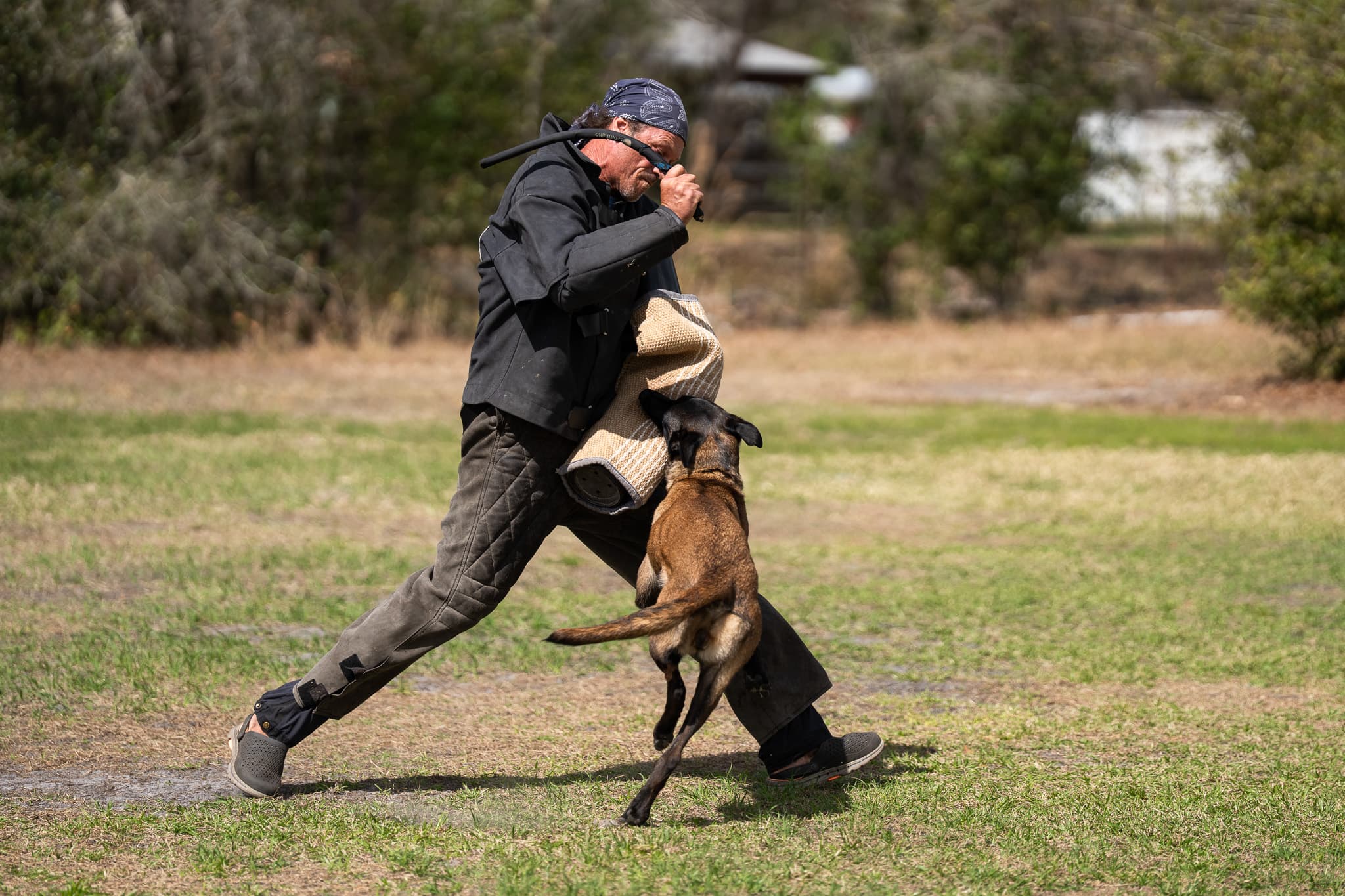
Instead, let's look at the behavior. What's the dog doing? Why are they doing it? To figure that out, I can suggest starting with Tinbergen’s Four Questions. A framework that actually gets somewhere. The first one is about function. What is the behavior doing for the dog? Are they screaming "Let me edit " or "get me out of here". If we don't understand function, that means we cannot have a good plan. Number two, causation. What is the trigger? Is it another dog, a skateboard or that one weird mailbox on the sidewalk? Behaviors aren’t random. Dogs don't explode out of nowhere. If you identify the spark, you control the fire. Number three, ontogeny. How did the behavior grow in that dog? How did we get here? Maybe it's a bad experience or a habit built over months. Training means rewriting their story. It's not starting from scratch. And lastly, we have the phylogeny, which is basically what is the dog's wiring. What are the genetic predispositions? A malinois is not a pug. They're instincts shaped by selection through breeding drive different choices.
When we ignore that, we are fighting nature and that always goes sideways very fast. So leash reactivity isn't really a thing. It's a puzzle and each piece is unique. Frustration. Fear over arousal. They each demand their own approach. If we keep using that term, we are stuck with a one size fits all mindset. Sure, we might stumble into fixing one dog by chance, but the next two you'll fail them completely. So here is a challenge: can you stop saying leash reactivity? It's lazy. It's misleading. And it cheats the dog out of real help. Call the behavior what it is. If it's barking, lunging, pulling, and so on. Then dig into why it's happening. That's where the clarity lives. That's where good training begins. Ditch the lazy labels. Stop the salad talk. Words matter because they drive what you actually do.