Let’s get the credential pissing contest out of the way fast: No PhD. Just results that most PhDs will never touch. Judge the argument, not the paper on my wall.
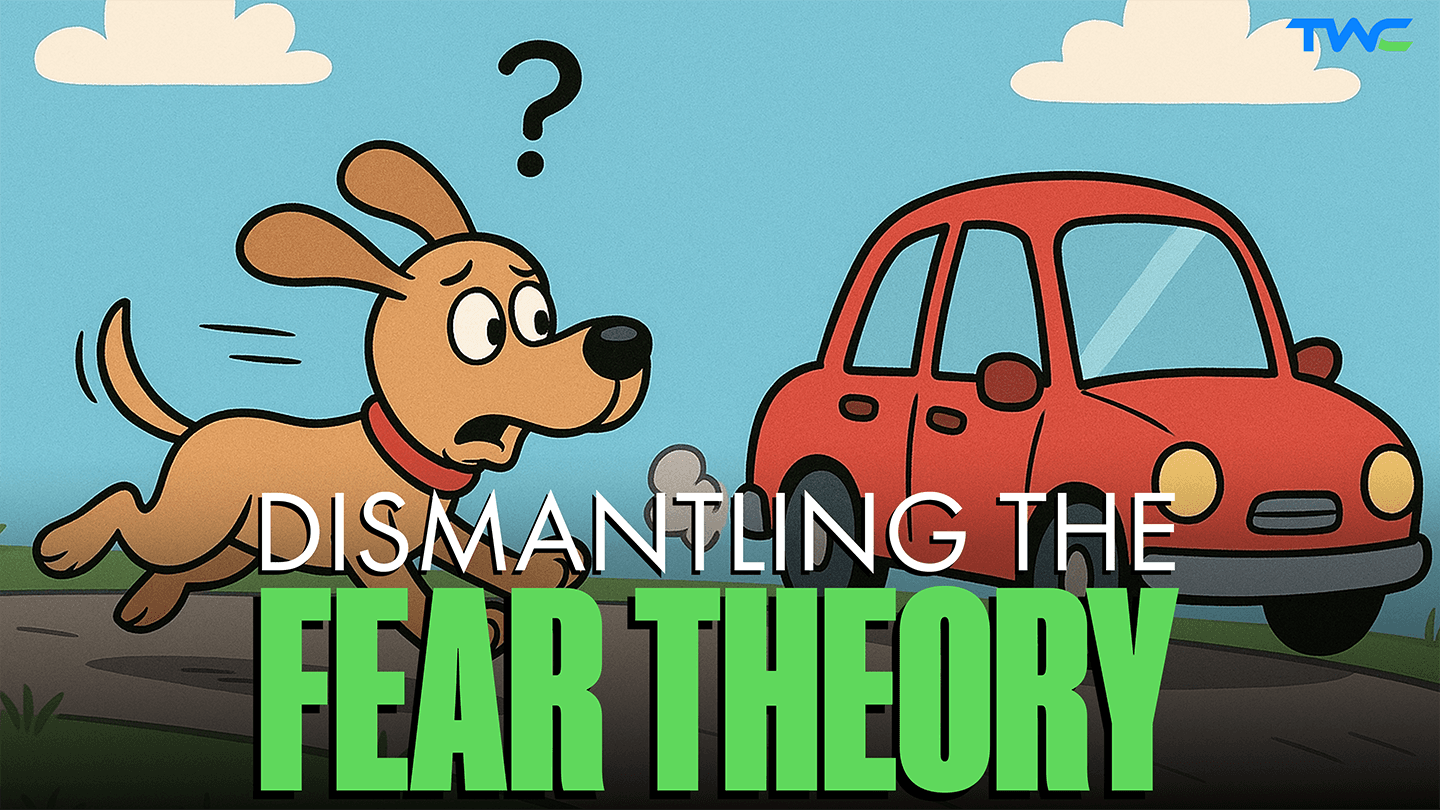
What is the Errorless Myth? “Teach a dog without a single mistake.” Sounds enlightened. Feels kind. Sells seminars and promotes the Force Free narrative. However here is the reality: it only ever worked on pigeons pecking colored keys in a box! Herbert Terrace (1963) didn’t eliminate errors, he hid them behind 500–1,000 pre-trials of careful fading. The pigeon still made hundreds of “errors”; they were just extinguished so fast you never saw them. That’s not magic. That’s extremely rapid selection by consequences, the very thing Skinner said is required for learning. Real dogs don’t live in a fading procedure. They live in a world full of squirrels, kids, traffic, and prey drive that was forged 40 million years before … clickers existed.
Variation Is Oxygen Here is Skinner’s genius (and Darwin’s) in one sentence: Selection needs variation. If there is no variation, there is nothing for reinforcement to choose from. We are left with robotic, brittle behavior that collapses the first time the prompt disappears or the context shifts. Errorless zealots suppress variation because variation looks “messy.” They lure, target, or prop the dog into the exact position, then claim “Look, no mistakes!” That’s not learning. When you finally remove the “training wheels,” the dog has no history of solving the problem himself. Cue hesitation, guessing, shutdown, or explosion is what we would encounter. One moment of clean, clear correction is worth more than 200 lured repetitions because it forces the dog to think.
Now let’s get to The Study That Proves the Opposite of What They Claim Fernandez et al. (2024) – “Comparing trial-and-error versus errorless learning in pet dogs.” - Started with 24 pet dogs - Only 8 finished (66% dropout) - The “trial-and-error” group got “zero feedback” on errors. If the choice is wrong choice, well the screen just goes blank. That’s not trial-and-error; that’s learned helplessness waiting to happen.
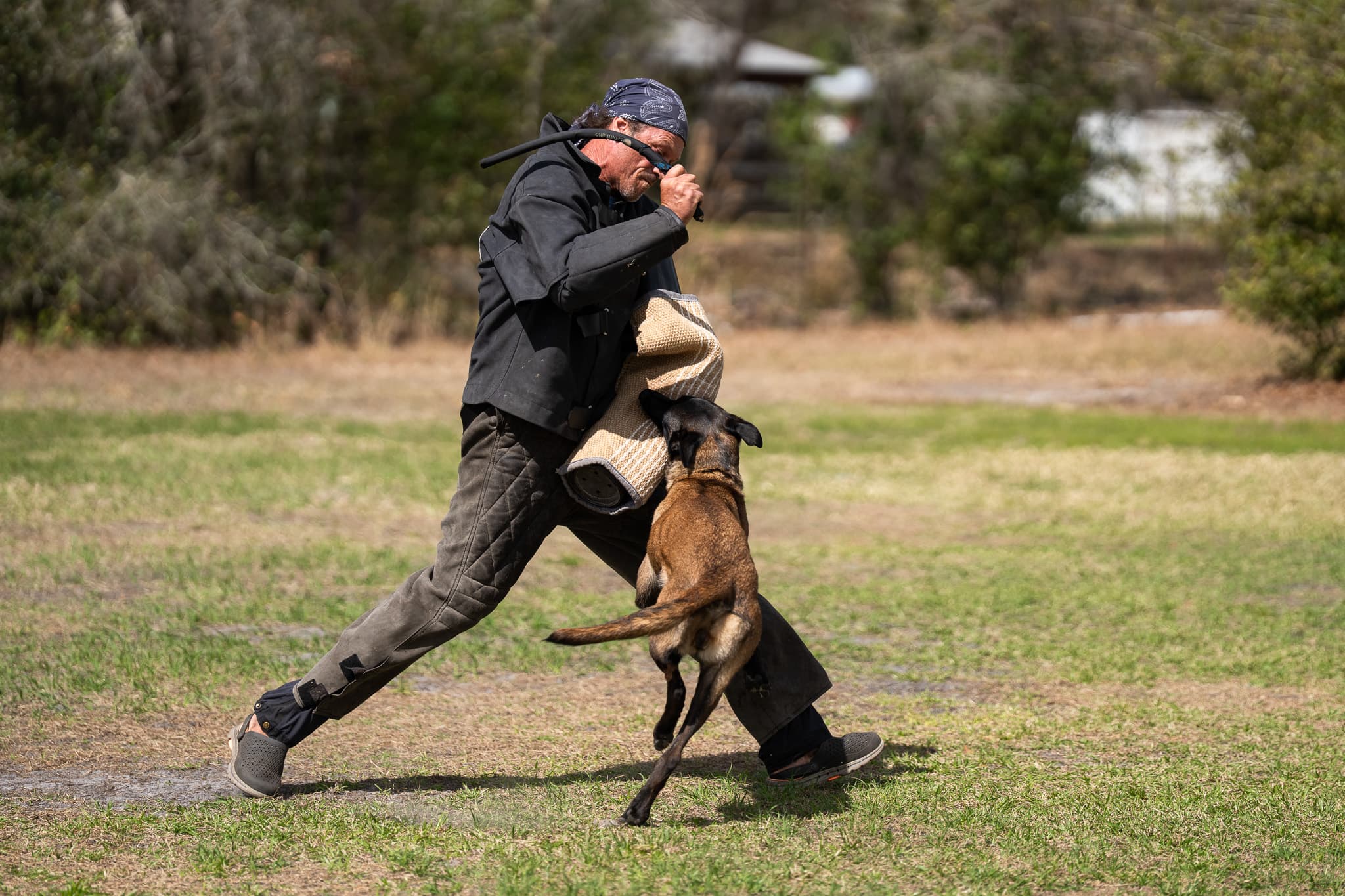
- The errorless group got an extra 50 fading trials (a massive head start) before the “real” test even began. Of course the errorless dogs looked better. The deck was stacked so hard it’s embarrassing! Honest conclusion from their own data: most normal pet dogs can’t even tolerate a pure errorless protocol without quitting or stressing out. That alone should kill the model for anyone living outside the Force Free bubble. Here is the problem: Internal Motivation trumps anybody’s treat pouch. When predatory motor pattern, rage, or panic circuitry lights up, the prefrontal cortex goes “offline” in dog and human alike. External reinforcers become irrelevant. No amount of chicken, no Premack, no LAT, no CAT constructional affection will out-compete the dopamine/opioid cocktail of a full on chase–grab–kill sequence! The only thing that reliably interrupt and suppresses that loop fast enough to save a cat, a child, or the dog himself is immediate, unambiguous form punishment. Anything else is a fairy tail.
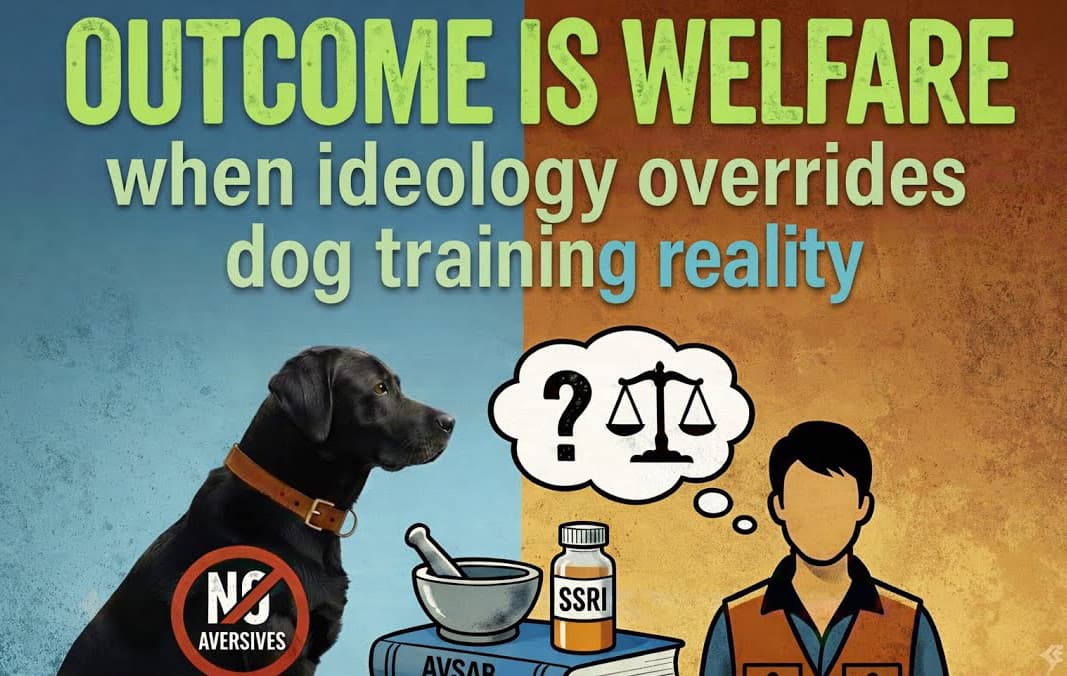
L.I.F.E. is more like: Least Inhibitive, Functionally Empty “Least Inhibitive, Functionally Effective” is marketing, not science! It removes punishment from the toolbox, then pretends the remaining tools are sufficient for every case. That is not ethics. That is ideology. True ethics is whatever keeps the dog, the public, and other animals safest, soonest, with the least overall fallout. Sometimes that is 99% positive reinforcement. Sometimes that is a perfectly timed leash correction or e-collar stimulation at the appropriate for the moment level of intensity. Pretending the second category doesn’t exist is reckless.
Here is my final word I actually love errorless principles … when they’re used as a shaping accelerator, not a religion. The best trainers on earth steal every clever fading trick, then seamlessly shift into guided trial-and-error the moment the dog can handle it. That combination produces animals that are brilliant, resilient, and joyful. What does pure errorless or pure LIFE do? It produces fragile, prompt dependent dogs and owners who are terrified of ever saying “No.” Don’t fall for the propaganda dressed in research papers and welfare slogans. Real learning has errors. Real training has boundaries, rules and consequences. Real responsibility sometimes requires tools the ideologues want to ban through legislations. Choose results. Choose clarity. Choose the full toolbox.